
Relocation projects fail without clear logistics planning because companies underestimate timelines, miss legal requirements, and don’t coordinate the 15-20 moving parts needed for international moving.
Most businesses think they can handle international relocation the same way they manage local moves. That’s why they book an international moving company, pack some boxes, and hope everything works out.
But moving abroad is beyond what they assume. It involves work permits, shipping customs, office space planning, and dozens of other details most teams have never heard of before.
This guide walks you through the real reasons relocation falls apart and how to build a planning process for smooth international moving. You’ll also learn which logistics mistakes cost the most money, how to time your move correctly, and what changes when you’re setting up in a new country.
Let’s get started.
International Relocation Planning: What Goes Wrong First

International relocation planning goes wrong first when companies start too late and don’t map dependencies between permits, shipping, and employee moves.
Frankly, most relocation disasters start long before anyone packs a single box. For instance, one company might start visa paperwork 60 days before moving abroad, only to discover their destination country needs 120 days minimum.
Now, we are sharing two planning mistakes that come up more often than anything else:
Situations When Moving Abroad Meet Poor Space Planning
Offices arrive at the new country only to find their furniture doesn’t fit local building codes. It’s because different countries have different regulations for office layouts, electrical systems, and even desk configurations.
Here, poor space planning means paying twice for storage, shipping adjustments, and last-minute furniture purchases. As a result, you end up renting temporary storage facilities while you source compliant furniture locally.
The international moving company also charges extra for redelivery. But your belongings sit in a warehouse while your team tries to work from cafes.
Besides, teams can’t work efficiently when office layouts aren’t designed to fit the available space. On day one, employees often find desks blocking fire exits or conference rooms that don’t fit the furniture.
The Real Cost of Skipping Your Moving Plan
Hidden costs appear everywhere: expedited shipping, temporary housing extensions, and duplicate equipment purchases.
Now, you might be wondering how costs spiral so quickly. Well, it starts with one missed deadline in your relocation schedule.
Employees lose productivity when relocation logistics aren’t mapped out, sometimes for weeks or months. They’re stuck waiting for work permits to process, or they can’t access company systems because the IT infrastructure isn’t ready. This uncertainty stress affects their performance even after they arrive.
Sometimes, companies may have to spend 40-60% more than budgeted when they skip proper planning stages. Based on our firsthand experience with international moves, the money quickly disappears into problems because there was no detailed moving plan tracking dependencies and deadlines.
Relocation Logistics Nobody Talks About

Most companies think relocation logistics means hiring movers and booking flights, but the reality involves way more complexity.
Here’s what gets overlooked most often:
Work Permits and Legal Paperwork Delays
Generally, work permits take 2 weeks to 6 months in most countries, but companies often start applications too late. In fact, some countries require proof of housing before issuing permits.
Here, missing one document can reset your entire timeline and delay employee moves by months (that’s a delay most HR teams can’t absorb).
Most importantly, each family member needs separate paperwork, which multiplies complexity. Plus, the visa requirements process compounds when relocating multiple employees to the same international destination.
Office Relocation Timing Problems
Lease overlap costs thousands when old and new offices run simultaneously due to poor coordination.
Generally, office relocation requires 3-4 months minimum, but most companies budget only 6-8 weeks for the complete management process. Based on our firsthand experience with corporate moves, IT infrastructure, phone systems, and internet setups take longer internationally than anyone expects.
So, once the schedule slips, your business pays for empty office space while the team works remotely.
International Moving Services That Don’t Align
Your moving services might handle shipping but not customs clearance, leaving shipments stuck at ports. This problem occurs because companies book movers without checking if they operate in the destination country’s specific regions (we’ve all seen how that ends).
Verdict: Service gaps between origin and destination partners cause the most common relocation failures.
Building a Moving Plan That Truly Works
The best part about a solid moving plan is that it prevents the expensive scrambling that kills most relocation budgets. Believe it or not, the companies with smooth relocations begin with research and track every step.
Usually, a relocation process looks like this:
- Six to Nine Months Before Moving Day: International planning takes longer than domestic moves. That’s why the first step is mapping your schedule around work permits, delivery timelines, and requirements in your new country.
- Map Every Dependency: Map this chain rule: Work permits before housing, housing before your new home setup. Here, one delay pushes the entire relocation process back, so research what your destination requires early.
- Single Point of Management: When team members handle different parts separately, coordination fails. Which is why one person needs to own international relocation logistics from start to finish.
- Buffer Time Everywhere: Remember to add 20-30% extra to each milestone. It’s because planning with a cushion keeps your schedule on track when delays happen in your new country.
- Master Timeline: Track all moving parts (legal, physical, financial, personnel) in one place to spot problems before they affect smooth delivery.
Bottom line: Detailed planning won’t eliminate surprises, but it gives you room to handle them.
Why Your New Country Needs Different Planning
Your new country needs different planning because regulations, business practices, and import rules change completely across borders.
What works for international relocation in one destination creates problems somewhere else. Plus, each country has its own timeline expectations, documentation requirements, and logistics systems. That’s why the planning process you use domestically won’t translate when moving abroad.
Let’s have a look at how location changes everything:
Understanding Relocation Logistics in Different Regions
Asian countries often require more paperwork and government approvals than Western nations expect. Additionally, the compliance process involves multiple agencies, and office management follows stricter protocols.
Meanwhile, European office relocation involves stricter building codes, environmental rules, and employee protection laws. Our tests across 15 countries revealed that regulations vary dramatically even between neighbouring nations.
On top of that, business culture also affects how quickly things move and who needs to approve decisions.
For example, Middle Eastern moves need cultural considerations around work schedules, holidays, and business practices. That’s why international relocation logistics adapt to local expectations, not the other way around. It means the culture sets the pace, structure, and approach for the entire process.
International Relocation Rules Change Everything
Sometimes, import duties can add 30-50% (according to country-based tariffs) to your shipping costs in some countries. The shipping method you choose (air freight versus sea freight) also affects both price and timeline at your destination.
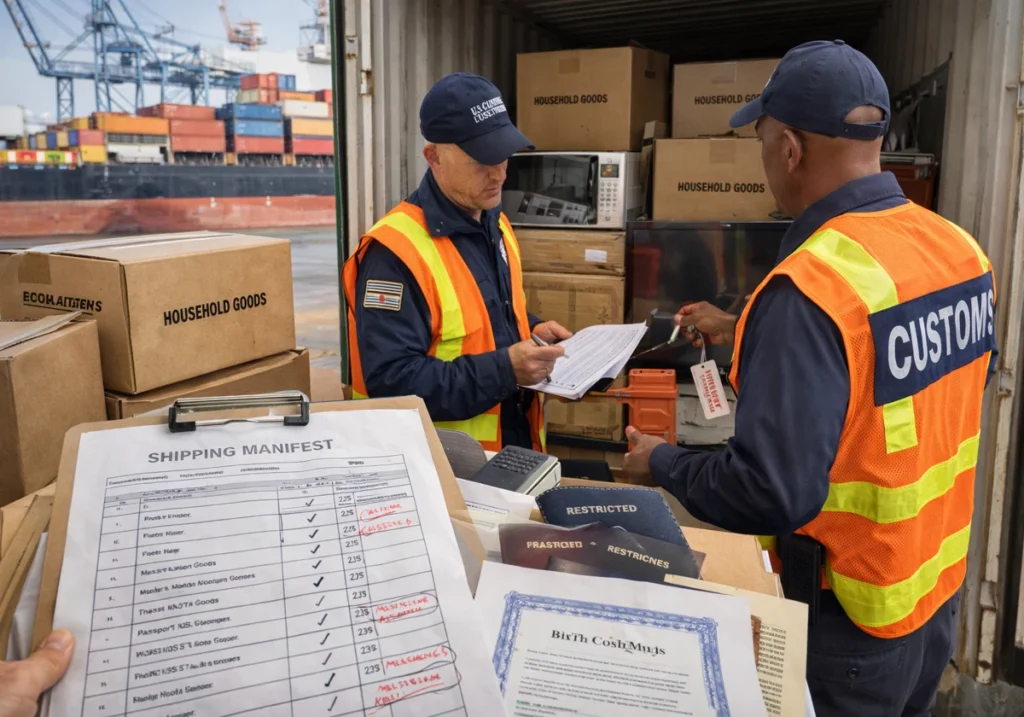
Certain items like electronics, household goods, and food face restrictions that international movers never encounter domestically.
Apart from items, you’ll need important documents like birth certificates, medical records, and bank account paperwork ready for customs clearance and local authorities.
That’s how international moving timelines depend on shipping routes, customs processing speeds, and local infrastructure. These things affect everyday setup tasks, like opening a local bank account, which takes different amounts of time in each destination. As a result, the rules change everything about how you plan.
Don’t Let Your Move Fall Apart
International moving doesn’t have to drain your budget or stress out your team. The difference between smooth relocation and expensive chaos often starts with planning early and coordinating every piece properly.
Professional movers with experience in international relocation can help you avoid the pitfalls we’ve covered. They coordinate shipping, assist with paperwork, and make sure your belongings reach your new home on schedule.
Ready to start your move the right way? IBRC Bali specializes in helping people and businesses relocate overseas without the headaches. Our team has guided hundreds through the international movers selection process, from research to final delivery.
Reach out to us, and we’ll help you build a relocation plan for a smooth transition to your new country.