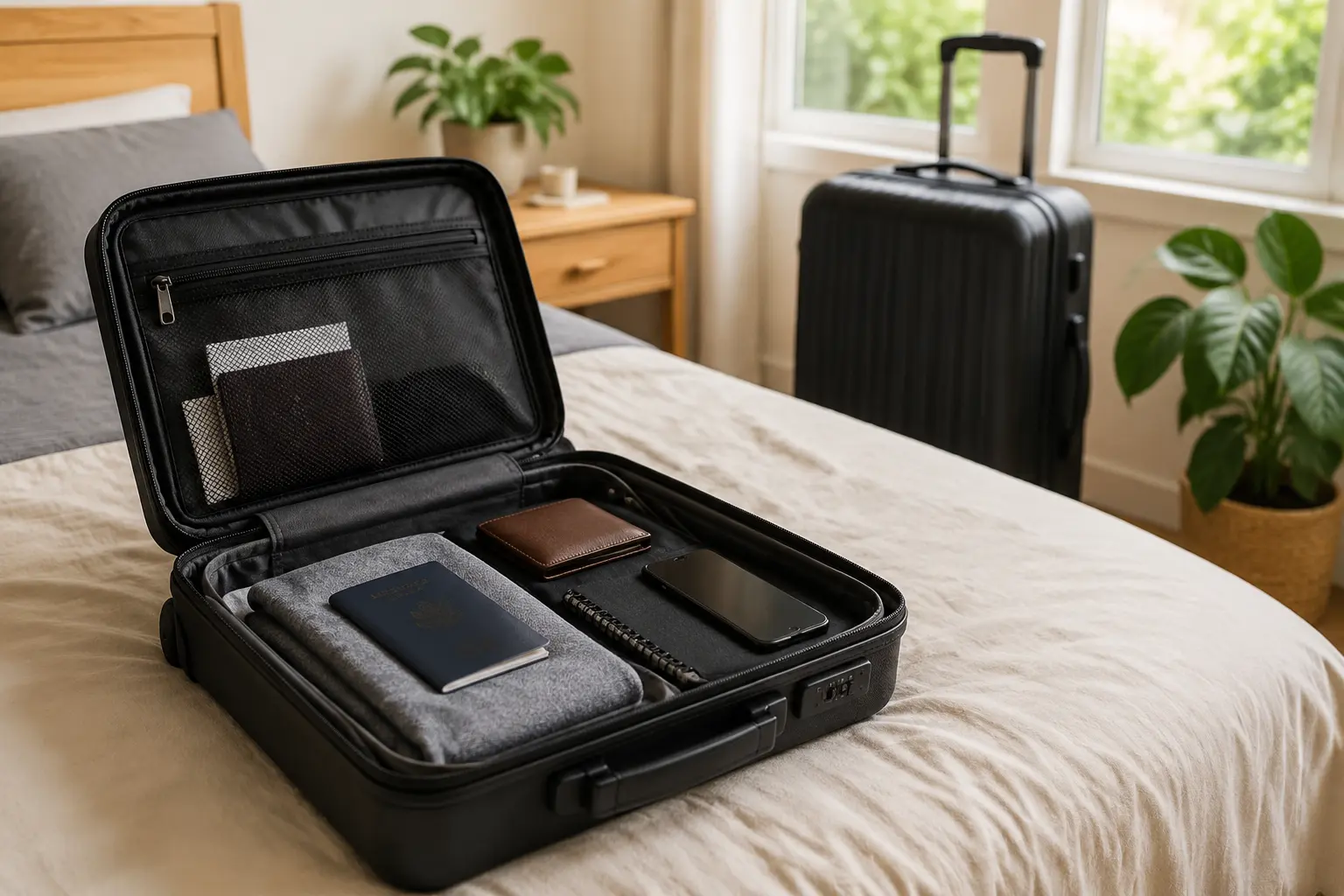
You’ve sorted out the visa, booked your flight, and your boxes are on their way. But when travel day hits, the real question is this: what should actually stay in your carry-on during an international move?
Most people spend so much time on shipping logistics and packing materials that they overlook what they’ll need on their person. That’s how passports, medical records, and financial documents end up in a container instead of in your hands at immigration.
We’ve helped families and individuals relocate to Bali for years, so we know how often this goes wrong. With that in mind, this guide covers the international moving essentials you should carry on the plane. We’ll go through identity paperwork, bank account details, destination country documents, and government agency records.
International Moving Essentials for Your Carry-On
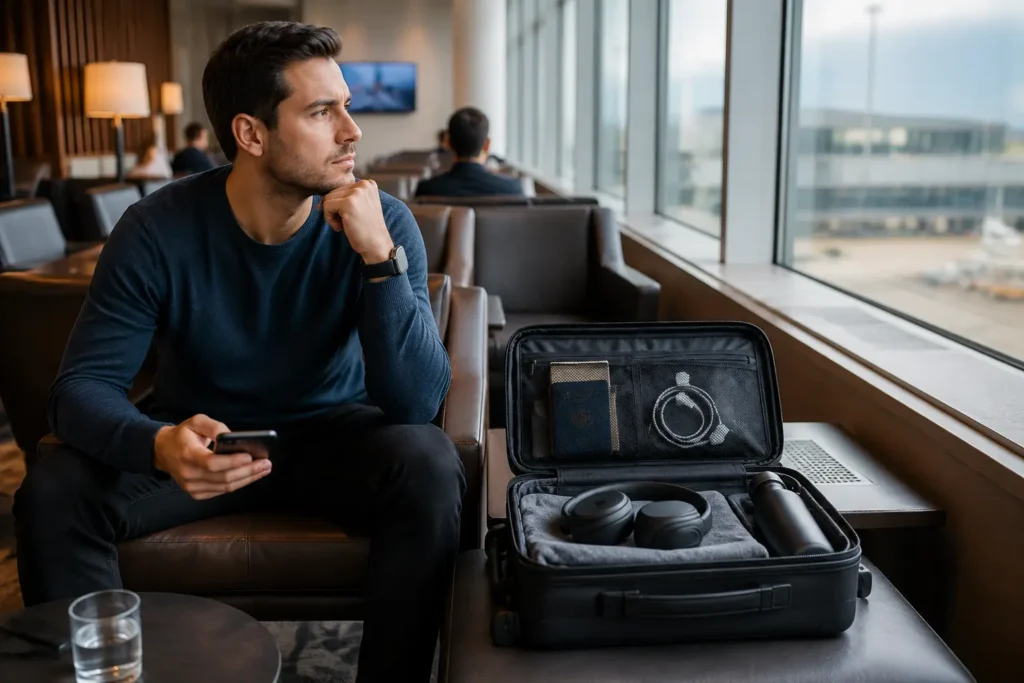
Your international moving essentials come down to one rule: keep anything irreplaceable in your carry-on. If your checked bag gets lost or delayed, you can buy new clothes. But you can’t reprint a passport or a birth certificate at the airport.
We’ve helped enough families relocate to Bali to know which items cause the most trouble when they go missing. Your visa approval letters, marriage certificate, and work permit all fall into that group. Without them, you could face delays at immigration or miss a temporary accommodation check-in entirely.
Beyond legal paperwork, your insurance policies and medical records belong in your bag too. The difference with an international relocation is that you won’t have time to track down missing files. So your carry-on needs to cover you from takeoff to your first night in a new country.
Important Documents Like Passports and Birth Certificates
Your legal documents are the first things immigration officers will check, so they need to be easy to reach. The U.S. Department of State’s international travel checklist breaks down what to prepare, and here are the ones to always carry when moving internationally:
- Passports and Birth Certificates: Every border agent will ask for these before anything else. If you’re moving overseas with family members, each person should carry their own set.
- Visa Letters and Divorce Papers: Officers in your destination country may request custody proof or marital status on arrival (and yes, we’ve seen people stuck at the counter without these). Keep your visa approval letter right next to your passport.
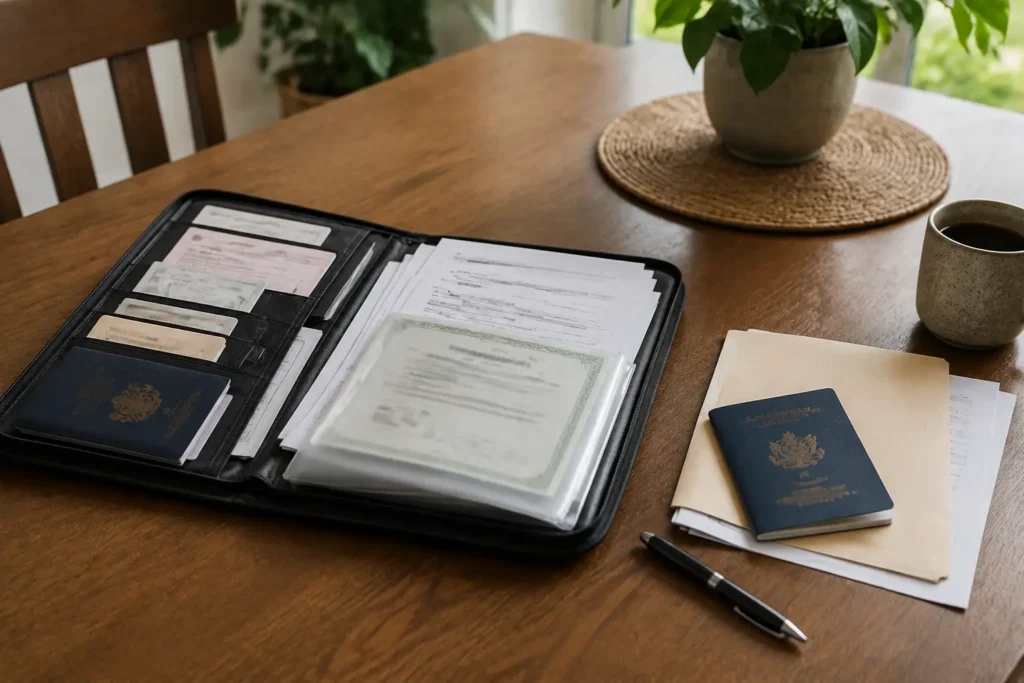
- Copies of All Your Documents: Pack photocopies in a separate pocket from the originals. If one set goes missing, you will still have a backup at your new country’s border.
Honestly, a simple folder with originals on one side and copies on the other will keep everything sorted when you need it most.
Now, let’s talk about money.
Why Your Bank Account Info Belongs in Your Bag
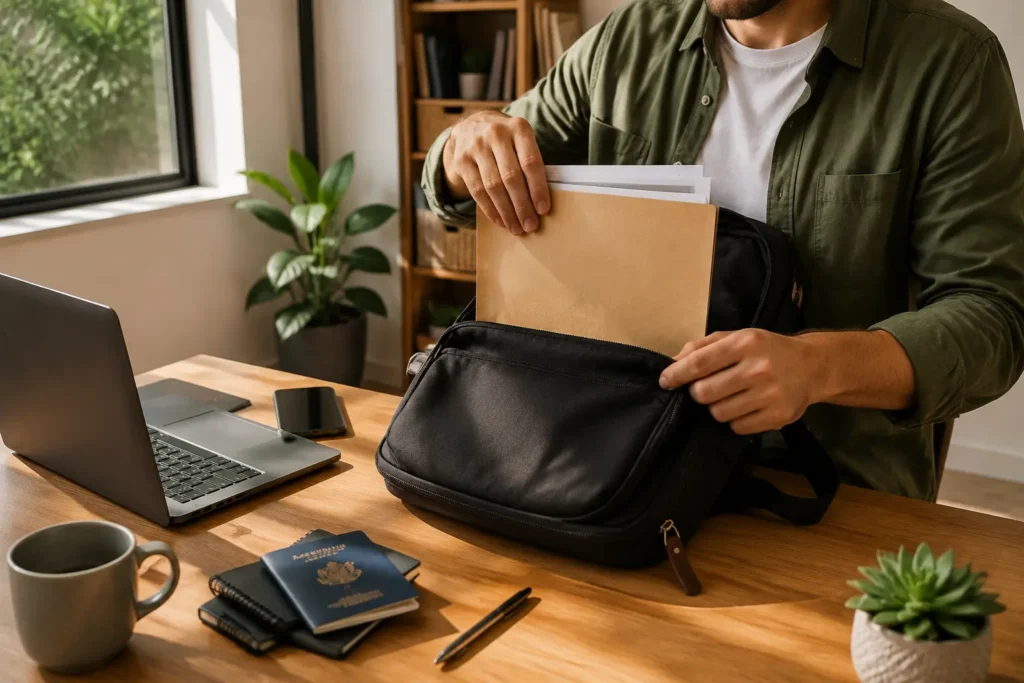
Picture this: you land in your destination country, your checked bag is delayed, and you can’t remember your bank’s international phone number.
We’ve been there too. Without your bank account details and at least one backup card, even a simple ATM withdrawal in a foreign country can turn into hours of phone calls. Carry printed account numbers, recent financial statements, and your bank’s contact info so you can handle emergencies right after landing.
It’s also worth writing down your credit card company’s number and storing it separately from your wallet (and no, the hotel front desk can’t always help you sort it out). If your card gets frozen while moving abroad, that number will keep you from being stranded on your first day in a new country.
Destination Country Paperwork You Should Carry
Once your personal and financial paperwork is sorted, your destination country paperwork is the next priority. Some of these documents will be requested the moment you arrive, so they can’t sit in a shipping container.
The following items should travel with you when you move overseas:
- Temporary Accommodation Details: Carry your booking confirmation and the address of where you’re staying on your first night. Border officers in many countries will ask for proof of accommodation before they let you through.
- School and Medical Records: If you’re relocating internationally with children, pack their academic records and vaccination records in your bag (especially if your kids are starting school within days of landing). The CDC’s guide on traveling abroad with medication also recommends carrying prescriptions in your carry-on.
- Local Emergency Contacts: Write down the address of the nearest US embassy, your international health insurance provider’s number, and at least one local contact in your new country.
Believe it or not, most delays on arrival come from missing one of these three categories, rather than from the actual flight itself.
How an International Mover Helps You Stay Organized
Ever wonder why experienced relocators seem so calm on travel day? Most of them worked with an international mover who helped them separate what to carry from what to ship.
That’s something we’ve seen firsthand across dozens of international moves. A good moving company will hand you a detailed checklist that spells out exactly what goes in your carry-on and what goes in the cargo. And frankly, not having to guess which documents to keep on you makes the whole process less stressful.
What’s more, international moving companies handle the coordination between air freight and ground shipping, so you can focus on your paperwork. If you’re moving internationally for the first time, that level of hands-on help can turn weeks of confusion into a clear plan.
Government Agencies Records to Pack Before Your International Move
There’s one more set of records that tends to slip through the cracks, and it comes from government agencies. You’d be surprised how often border agents and foreign consulates ask for these.
So before your international move, contact the Social Security Administration, your local post office, and any tax professional you work with. You’ll want to carry your tax clearance letters, mail forwarding confirmation, and proof of your updated mailing address.
Plus, if you need to pay taxes in your home country while living abroad, those records will keep you from sorting out penalties across time zones.
You should also pack any export permits or clearance forms tied to your relocation process (delays here can set your whole timeline back by weeks). One call to these agencies before departure will save you from scrambling once you’ve landed in your new country.
Your International Moving Checklist Starts Here
Your international moving checklist doesn’t have to be long, but it does need to start with your carry-on.
Every section above covers a different category, including legal documents, financial records, destination country paperwork, and government agency files. Together, they give you a clear idea of what should be on you when you board that flight.
The best time to put this list together is a week before your move overseas, not the night before. And if you’re looking for hands-on help with your international relocation, our team at International Blog – Relocating Countries has been guiding families through every stage of moving abroad for years. We’d love to help you with yours.