
Research shows that over 42% of global relocation delays are tied to constrained housing supply in destination cities. Beyond that, timelines are heavily affected by how early you start handling visa and customs paperwork.
However, good teamwork from a relocation team can keep the process on track. When everyone communicates clearly, potential problems can be spotted early and dealt with before they cause delays.
This article breaks down the specific factors that determine when your belongings arrive at your destination country. You’ll know all the reasons why some shipments sail through in six weeks while others take three months, and the best way to start planning accordingly.
Let’s find out everything about international relocation delays.
Why International Relocation Timelines Are Unpredictable
Delays from customs, visa processing speed, shipping routes, and port congestion can unexpectedly push back your international relocation delivery. The timeline typically ranges from 4-12 weeks, but the process involves multiple countries, different carriers, and checkpoints that each add their own unpredictable delays to your schedule.
Take a look at two major factors that throw off delivery estimates.
Customs Clearance Can Add Days (or Weeks)
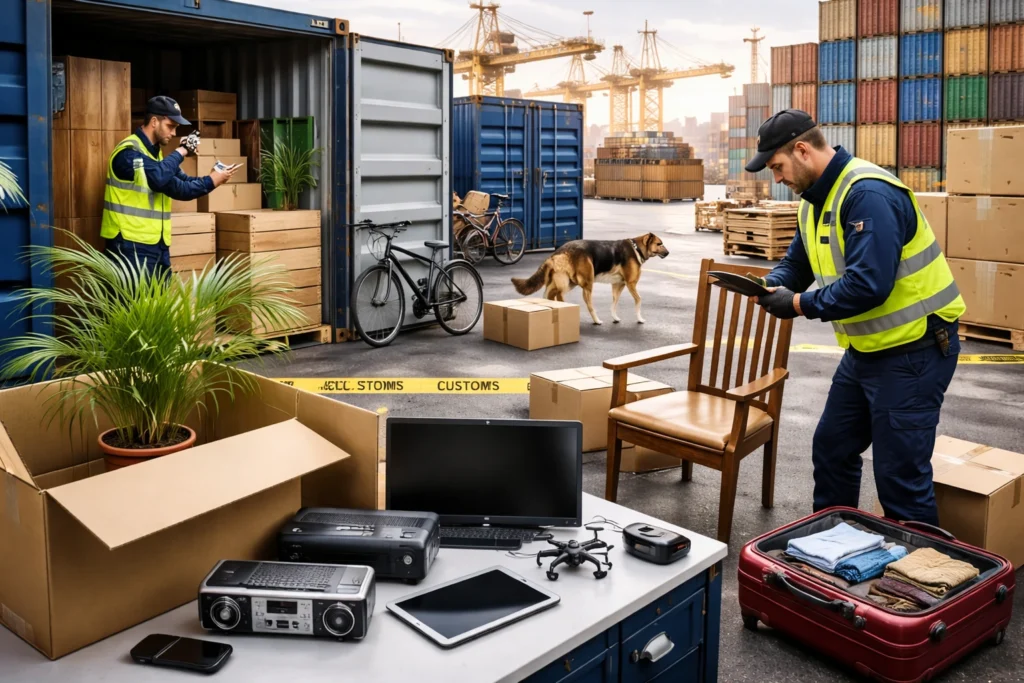
Every country has different import rules, and missing even one document can hold your shipment in customs indefinitely. Customs officers work through hundreds of containers daily, so processing times vary depending on their staffing and volume. In fact, documentation errors account for 60% of all customs delays worldwide.
Along with that, restricted items in your shipment trigger extra inspections that can extend clearance from days to several weeks. For example, wooden furniture, live plants, and certain electronics all need special clearance.
One of our client tried shipping their grandmother’s antique piano without checking regulations first, and it ended up being held at customs for over three weeks. Unfortunately, it caused them a major delay and additional storage fees.
Documentation Processing Speed
Visa approvals, work permits, and residence documents all need completion before your household goods can legally enter most countries.
What’s more, government agencies in different countries process paperwork at different speeds, and it can take 48 hours or even several months. You’ll jump through hoops getting residence permits approved, so starting early gives you buffer time for unexpected requests.
Your Moving Company’s Route Selection
Direct shipping routes cost more but cut 2-3 weeks off your timeline compared to routes with multiple stops. Some international moving services use consolidated shipping to save money, but that requires waiting for other shipments before yours can be sent.
From our practical experience managing Bali relocations, port selection is important, too. It’s because smaller ports often have faster processing but fewer departure dates throughout the month.
Port Congestion and Container Availability
Major shipping ports can have 30-50 vessels waiting to dock during peak periods, adding weeks to your delivery. At that time, ports face container shortages, which forces moving companies to wait for available units. And your belongings sit in a warehouse until one becomes available (no negotiation, just waiting).
Another unexpected reason is labor strikes at ports. The 2024 US port strike shut down 36 East and Gulf Coast ports for three days in October. Even that brief stoppage took weeks to clear the resulting backlog. And longer strikes can delay shipments by months when thousands of containers pile up waiting to move through.
Peak Season vs. Off-Season Shipping Schedules
The summer months from June through August see the highest volume of international moves, which means longer wait times for container space and higher costs.
In fact, moving during peak season alone can add 2-3 weeks to your timeline just because ports are processing more shipments than usual. Usually, shipping companies prioritize larger commercial cargo during busy periods, so residential moves often get bumped to later departure dates.
Conversely, off-season moves between October and March typically ship faster because there’s less competition for container space and port resources. You’ll also save on costs when demand is lower.

How Your Packing Method Affects Transit Speed
Full container loads (FCL) ship faster than consolidated shipments because your belongings don’t wait for other customers’ items to fill the container.
Meanwhile, consolidated shipping (LCL) means your boxes share space with other people’s shipments heading to the same destination. This approach saves money but adds 10-15 days while the moving company collects enough cargo to fill the container.
Professional packing services also speed things up because experienced movers pack efficiently and label everything correctly for customs. Speaking from experience, DIY packing often leads to documentation errors that slow down customs clearance in your destination country.
Timeline for Moving Overseas Preparation
The greatest advantage of planning your international move early is locking in your preferred dates and avoiding the rush fees that come with last-minute bookings. That means, starting specific tasks at the right time keeps your international move on track and prevents panic.
Here’s when to tackle each major task.
3-4 Months Before Moving Day
Start by researching international moving companies and get atleast three quotes to compare pricing, services, and estimated transit times.
If you miss the boat on visa applications, you might have to postpone your entire move by months. So apply for visas and work permits as early as you can because government processing delays are one of the most common causes of postponed moves.
6-8 Weeks Out from Your International Move
During this timeline, you should confirm all documentation is complete and approved, including passports, visas, and any pet travel certificates you need. You can sort them by creating a checklist of every required document and checking expiration dates twice.
After that, start decluttering and decide which items you want to move overseas versus which ones get sold, donated, or stored back home. Finally, you should notify banks, insurance providers, and subscription services about your address change and international relocation date.
Can Weather Derail Your International Moving Timeline?

Yes, severe weather shuts down ports and airports, and creates ripple effects that can push your delivery back by weeks. For instance, a single typhoon can halt the operation of an entire port for a week and back up hundreds of shipments waiting to move through.
These are some major weather disruptions that affect international shipping:
- Atlantic Hurricane Season (June-November): Hurricanes regularly shut down major US and Caribbean ports for days at a time. In fact, major Atlantic ports were closed 10 times due to storms in 2020. As a result, ships waiting offshore create backlogs that take 3-4 weeks to clear once operations resume.
- Southeast Asian monsoons (May-October): Port operations often decline, and inland transportation to warehouses becomes nearly impossible during peak monsoon periods. It’s because heavy rainfall and flooding slow down shipping across popular expat destinations like Thailand and Indonesia.
- Winter Storms in Northern Europe and North America: Snow and ice close ports and make road transport to inland destinations extremely difficult. And those backlogs drag on for weeks after the storm passes.
Your moving company should factor in seasonal weather patterns when quoting your international moving timeline. So ask specifically about weather-related delays if you’re moving during hurricane season or monsoon months.
Your First Step Toward a Smooth Move
On-time delivery for international moves comes down to planning early, choosing experienced movers, and understanding the factors you can’t control. Sometimes, you can’t control the weather, customs and port delays, but early preparation can smooth your transition.
The right moving partner keeps you informed throughout the process and works around obstacles. You’ll save yourself from months of frustration waiting for your belongings to arrive
At IBRC Bali, we specialize in helping expats relocate to Bali with realistic timelines and full transparency. Contact us today for a detailed timeline estimate based on your specific destination, shipping route, and personal circumstances.