
You’ve committed to moving to Bali, and now the doubts are creeping in. Will you make friends? Can you handle being so far from home? Here’s what nobody tells you: the hardest part isn’t the visa paperwork or finding a place to live. It’s the emotional mess that hits around week three, when the honeymoon phase fades and you’re left wondering if you made the right call.
One day, you’re buzzing about your new life abroad. Next, you’re scrolling through photos from home, feeling completely out of place. Most ‘moving to Bali tips’ focus on the practical stuff. But the emotional stages? That’s where expats struggle the most.
This guide breaks down what you’ll feel when it hits, and how to push through so Bali becomes your new home. Let’s get started!
The Honeymoon Phase: When Everything Feels Like Paradise
Your first week in Bali feels like an extended holiday that accidentally became real life. The sun hits differently here, the air smells like frangipani mixed with street food, and you’re waking up without an alarm.
This honeymoon phase is completely normal, and it usually lasts anywhere from one to three weeks. So soak it up while it’s here.
Let’s break it down week by week:
Week One: Pure Bliss
You spend your days exploring neighbourhoods on your scooter, stopping at warungs you’ve never tried before. Every invitation that comes your way gets a yes. Beach clubs quickly become your regular hangout and beach clubs quickly become your regular hangout.
You’ll also notice that the digital nomads you meet at co-working spaces are easy to talk to because everyone’s riding the same high. There’s this shared energy that makes forming connections feel effortless.
Food Everywhere You Look
The food scene alone makes you wonder why you waited so long to do this. Street food runs you less than $2, but proper restaurants are there when you want something different. Plus, beach clubs let you spend entire Sundays lounging without a shred of guilt.
One day it’s nasi campur from a local spot, the next it’s brunch with views of rice terraces stretching forever. This variety keeps things interesting, which is exactly what you signed up for.
Something New Every Day
Then there are the discoveries that keep the excitement alive. Hidden waterfalls, someone casually mentioned, become your weekend mission. You might also stumble upon night markets after taking a wrong turn, and suddenly you’re tasting food you can’t even name. Each find fuels your excitement a bit more.
After working with expats over the years, we’ve noticed most people talk about this phase with genuine fondness. It’s one of the best parts of moving abroad, no question about it.
But around week two or three, something shifts. You’ll start noticing your spending adds up faster than you expected. And suddenly you’re doing quick maths about how long your savings will last if you keep going at this pace.
Cost of Living: What Your Money Gets You
You’ve been here ten days, and suddenly you’re recalculating everything. The “Bali is so cheap” promise isn’t playing out the way you imagined, and the full picture is more complicated than your research suggested.
For your convenience, we’ll explain your essential costs in this section:
Price of Basic Residence
Living costs depend heavily on where you plant yourself. For example, areas like Canggu and Seminyak near the beach clubs will eat through your savings faster than you expected.
A decent villa runs $800 to $1,500 monthly, but the real shock comes from the pay-upfront culture. You’ll find that most landlords want first month, last month, and a deposit all at once, which means you’re handing over $3,000 before you even unpack.
Daily Food Expense
Food expenses also swing wildly based on your choices. Street food and local warungs keep things affordable, with nasi campur going for around $2 to $3 per plate.
But if you’re hitting those trendy brunch spots a few times a week at $15 to $20 each, your food budget climbs fast. Finding the balance takes time.
Other Costs
Household goods often carry higher price tags because of import taxes, so that a mattress or a basic kitchen setup costs more than you’d pay back home. Exchange rates also add another wrinkle since your purchasing power shifts as currencies fluctuate.
The good news? You’ll eventually get familiar with local options. For instance, shopping at neighbourhood markets instead of expat stores and eating where locals eat makes a noticeable difference in your monthly spending.
The Visa Process and Moving Abroad Checklist
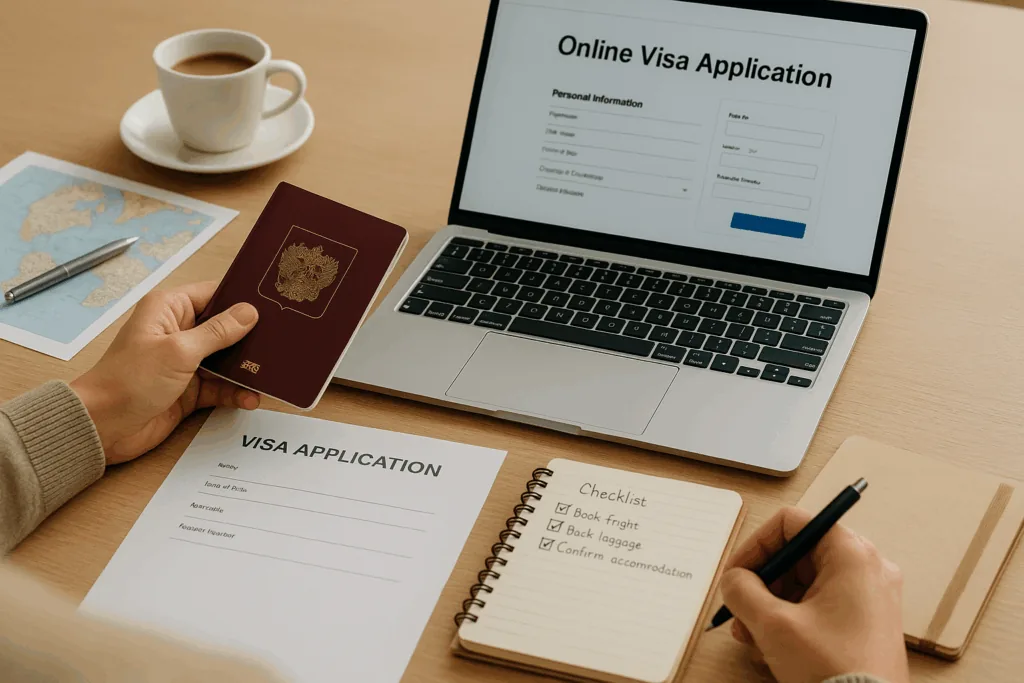
You’re settling into your routine, enjoying the rhythm of life here, and then you check your passport stamp. That tourist visa expiration date is closer than you thought, and now the pressure’s on.
Here are your options and what you need to gather:
Tourist Visa to Work Permit Options
Most people enter on a tourist visa because it’s the simplest starting point. You’ll get 30 days on arrival, extendable once for another 30, which gives you two months to figure out what comes next.
Let’s share a trick with you: start your research early because visa processes move slowly, and waiting until the last week creates unnecessary stress.
Digital Nomad Visa Considerations
The digital nomad visa has become popular with remote workers for good reason. It covers up to a year without the hassle of visa runs every few months.
While you do need proof of income and remote employment, but compared to traditional work permits, the application process is far less complicated.
Documents to Gather Now
Birth certificates, bank statements, proof of income, and possibly educational certificates, depending on which visa you’re applying for.
Also, keep both digital and physical copies on hand because some offices still prefer paper, and having everything ready saves you from scrambling later when deadlines hit.
Shipping vs Buying Local
Most expats skip shipping their belongings overseas and buy what they need here instead. Why? Because shipping costs add up quickly, and customs can delay things for weeks.
So, unless you have items with real sentimental value, travelling light and purchasing household goods locally makes more sense financially.
Once you’ve mapped out your visa path, the next admin layer appears immediately, i.e. bank accounts and health insurance.
Bank Accounts and Health Insurance: Your Essential Setup Guide
Once you’ve mapped out your visa path, two more admin tasks demand immediate attention. You can’t function long-term without a way to access your money locally, and going without proper health coverage is a risk you shouldn’t take.
Let’s figure it out together:
Getting Your Bank Account Sorted
Most banks want your passport, visa, and proof of address before they’ll even start the process. We recommend planning to spend an entire morning at the branch because Indonesian banking moves at its own pace, and rushing doesn’t help.
What catches most people off guard is realising you need two accounts, not one. Your home country bank account stays active for international transfers and emergency backup funds.
At the same time, you need a new bank account here to handle daily expenses, rent payments, and local transactions. Splitting your money this way protects you when exchange rates shift unexpectedly.
Health Insurance That Works Here
Your travel insurance might cover emergencies for the first month or two, but it’s not designed for someone living abroad long-term. What you do need is proper health insurance that Indonesian hospitals and clinics recognise without creating paperwork battles.
Through our experience working with expats, we’ve noticed most people land on one of two choices: local Indonesian health insurance or international coverage.
Local plans cost much less, though you might run into language barriers and smaller hospital networks. International plans, on the other hand, come with higher premiums, but they connect you to private hospitals where English-speaking staff and familiar medical standards are the norm.
Quick tip: Before applying, gather your medical records, recent test results, and details about any prescriptions you’re currently taking.
When Homesickness Hits Hard

For most expats, homesickness shows up between week four and week six, right when you thought you’d adjusted. The timing makes sense because your initial excitement has faded, and your brain is finally processing how far you are from everything familiar.
So, how do you remedy this?
This is where Facebook groups and meeting people become genuinely valuable. Talking to others who understand what you’re going through will remind you that this phase is temporary. Plus, building new friends through co-working spaces or community events will create a support system that understands your current reality.
Call home when you need to, let yourself process it, then keep building your life here. Because what comes next will make pushing through this phase worth it.
The Breakthrough: When Bali Becomes Home

The shift from moving abroad to living abroad happens gradually, and then suddenly you notice it. You know which warung makes the best food without checking reviews, and you’ve stopped converting prices back to your home currency. Plus, the local language phrases you’ve picked up have become part of how you communicate daily.
Living in Bali has finally shifted from being an adventure to simply being your life. And the routines you’ve built work for you, the spots you’ve found feel like yours, and the sense of belonging that took months to develop now feels solid and earned.
This is what most ‘moving to Bali tips’ can’t prepare you for because it’s not something you can rush. It happens after you’ve pushed through the homesickness, sorted the admin, adjusted your budget, and given yourself time to actually settle rather than just exist here.
Your Bali Journey Starts With One Brave Step
Moving to Bali isn’t just about sorting visas and finding the right neighbourhood. The emotional stages are just as important as the practical ones.
Every expat walks this path in their own timeline, so permit yourself to feel whatever comes up without rushing through it.
If you’re planning your move or already navigating these stages, IBRC Bali offers support and resources designed specifically for expats building their lives here.
The best way to start is simply to begin, even when you’re not entirely sure you’re ready.